A Beginner's Guide to Running Shoes
Choosing the right running shoes is crucial for beginners venturing into the world of running. I remember when I first started, the difference a good pair of shoes made was incredible. It transformed my painful, short runs into enjoyable experiences. In this guide, we will explore key considerations and top picks to help you find the perfect pair.
Contents
1Why Choosing the Right Pair Matters
For beginners, the choice of running shoes is not merely about aesthetics or brand loyalty—it's about comfort, injury prevention, and enhancing performance. The wrong shoes can lead to blisters, poor form, and even long-term injury. In fact, studies by the American Podiatric Medical Association show that wearing improper footwear can increase the risk of developing foot and ankle issues by up to 45%. Therefore, investing time to find the perfect running shoes is essential for a successful and enjoyable start.
2Key Criteria for Selecting Running Shoes
When selecting running shoes, several factors should guide your decision:
1. Cushioning: Proper cushioning absorbs the impact of each step, which is essential for those new to running.
2. Arch Support: Based on your foot arch type—flat, neutral, or high—you'll require specific support to avoid injuries.
3. Fit and Comfort: A well-fitting shoe should not squeeze any part of your foot. The ideal pair offers enough room in the toe box and a snug heel.
4. Weight: Lighter runners generally benefit from lighter shoes, while heavier runners may need more durable construction.
5. Terrain Adaptability: Whether you run on tracks, roads, or trails, shoes designed specifically for those surfaces will enhance your running experience.
Using these criteria, beginners can narrow down the vast choices and find a pair that complements their personal needs.
3Our Top Picks for Best Beginner Running Shoes
Nike Air Zoom Pegasus 40
Nike
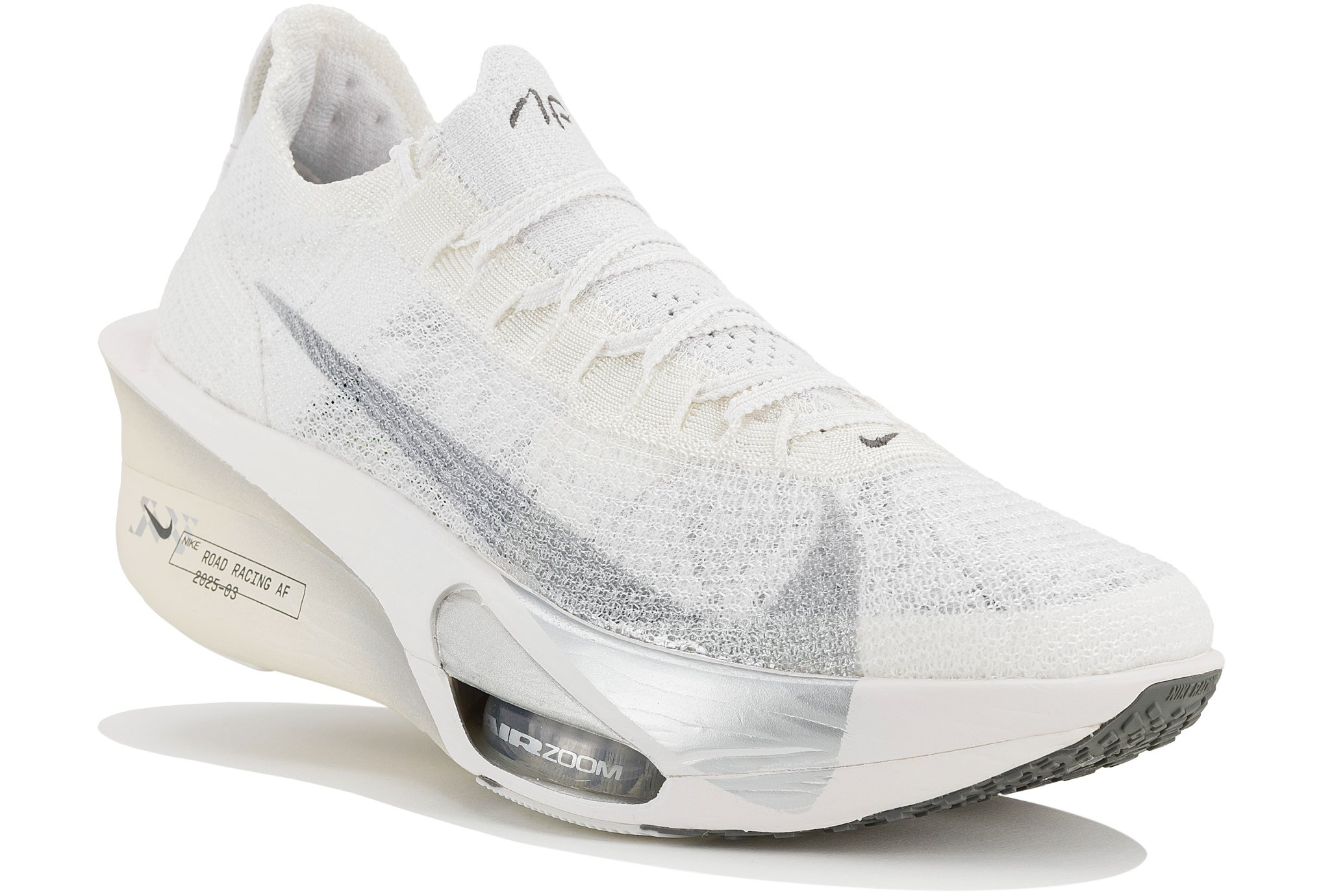
Ideal for versatile training with excellent cushioning. It provides a smooth ride and is known for its durability.
Pros
- Sleek design
- Durable materials
- Great energy return
Cons
- Higher price for beginners
Brooks Ghost 14
Brooks
A favorite for runners looking for smooth rides. It offers a comfortable fit for varied terrains.
Pros
- Wide size range
- Reliable traction
- Consistent cushioning
Cons
- Too soft for fast-paced runners
Asics Gel-Nimbus 24
Asics
Renowned for its supportive and comfortable features, making it suitable for long-distances.
Pros
- Innovative gel cushioning
- Highly supportive
- Comfortable
Cons
- Heavy for speed training
4Comparison Table for Beginners
| Feature | Nike Air Zoom Pegasus 40 | Brooks Ghost 14 | Asics Gel-Nimbus 24 |
|---|---|---|---|
| Cushioning | Responsive | Balanced | Gel technology |
| Arch Support | Neutral | Neutral | Neutral to high |
| Weight | 10.29 oz | 9.9 oz | 10.9 oz |
| Terrain Suitability | Road/track | All roads | Road |
| Price Range | $120-$140 | $130-$150 | $150-$170 |
5Tips for Use and Maintenance
Proper maintenance of your running shoes can extend their life and ensure consistent performance:
- Rotate Your Shoes: Alternating pairs can extend their lifespan by allowing each pair to decompress after a run.
- Dry Properly: Avoid direct heat, as it can deform the materials. Instead, air dry naturally.
- Store Smartly: Keep them in a cool, dry place to prevent wear from humidity and temperature changes.
- Track Mileage: Most running shoes last 300-500 miles. Replace them once they approach this limit to maintain support and comfort.
Following these practices will keep your shoes in great condition, ensuring that you continue to enjoy every run.
6Frequently Asked Questions
Join the conversation with common queries from fellow beginners:
1. How do I know my foot type?
- Wet your foot and step on a brown paper. Examine the imprint: if most of your foot shows, you have flat feet; a moderate arch shows a neutral foot; a high arch shows only a part of your footprint.
2. How tight should running shoes be?
- They should feel snug but not restrictive. You should have about a thumb's width space at the front for toe movement.
3. Are expensive shoes always better?
- Not necessarily. Some cheaper shoes offer great features suitable for beginners. Focus on fit and comfort first.
4. How often should I replace my running shoes?
- Generally, every 300-500 miles, but this varies based on factors like running style and terrain type.
Conclusion
Finding the right running shoes is about understanding your needs and preferences. As someone who has been in your shoes, I recommend trying on different pairs and taking note of how they feel during a run. Don't compromise on fit and comfort. Once you find that perfect pair, hit the track and start your journey. Happy running!