Choosing the Best Athletics Shoes for Optimal Performance
Choosing the right pair of athletics shoes can significantly enhance your performance and prevent injuries. I've spent years testing various models during my morning runs and gym sessions, and understanding the nuances makes all the difference in both comfort and results.
Contents
1The Importance of Choosing the Right Athletics Shoes
When starting any athletic endeavour, your footwear choice is crucial as it impacts your performance, comfort, and safety. Proper shoes support your feet, align your body, and absorb shock, reducing the risk of injury. It's fascinating how different models cater to specific sports, offering unique benefits. For instance, shoes designed for running tend to focus on cushioning and flexibility, enhancing forward motion. Investing in the right pair means acknowledging the value of your feet and their role in your overall well-being. The appropriate athletics shoes provide a perfect balance of stability, flexibility, and durability, tailored to your unique needs.
2Key Criteria for Selecting Your Perfect Pair
When evaluating athletics shoes, consider several essential factors.
- Fit and Comfort: Ensure the shoes fit snugly without being too tight, allowing for natural foot movement. Try them on with the socks you intend to use during your activities.
- Support and Stability: Does the shoe offer adequate arch support and heel stability? Brands like Asics are renowned for their structured support ideal for those with flat feet.
- Cushioning: Different activities demand varying levels of cushioning. Running shoes like the Nike Air Zoom Pegasus 40 provide superior shock absorption, while cross-training shoes offer more balance between support and flexibility.
- Durability: High-quality materials like those used in Adidas Ultraboosts ensure longevity and performance as these shoes are crafted from robust textiles designed for regular use.
- Breathability: Look for shoes with mesh uppers which allow for ventilation, keeping feet dry and comfortable, essential for preventing blisters during long sessions.
3Our Top Picks for Athletics Shoes
Nike Air Zoom Pegasus 40
Nike
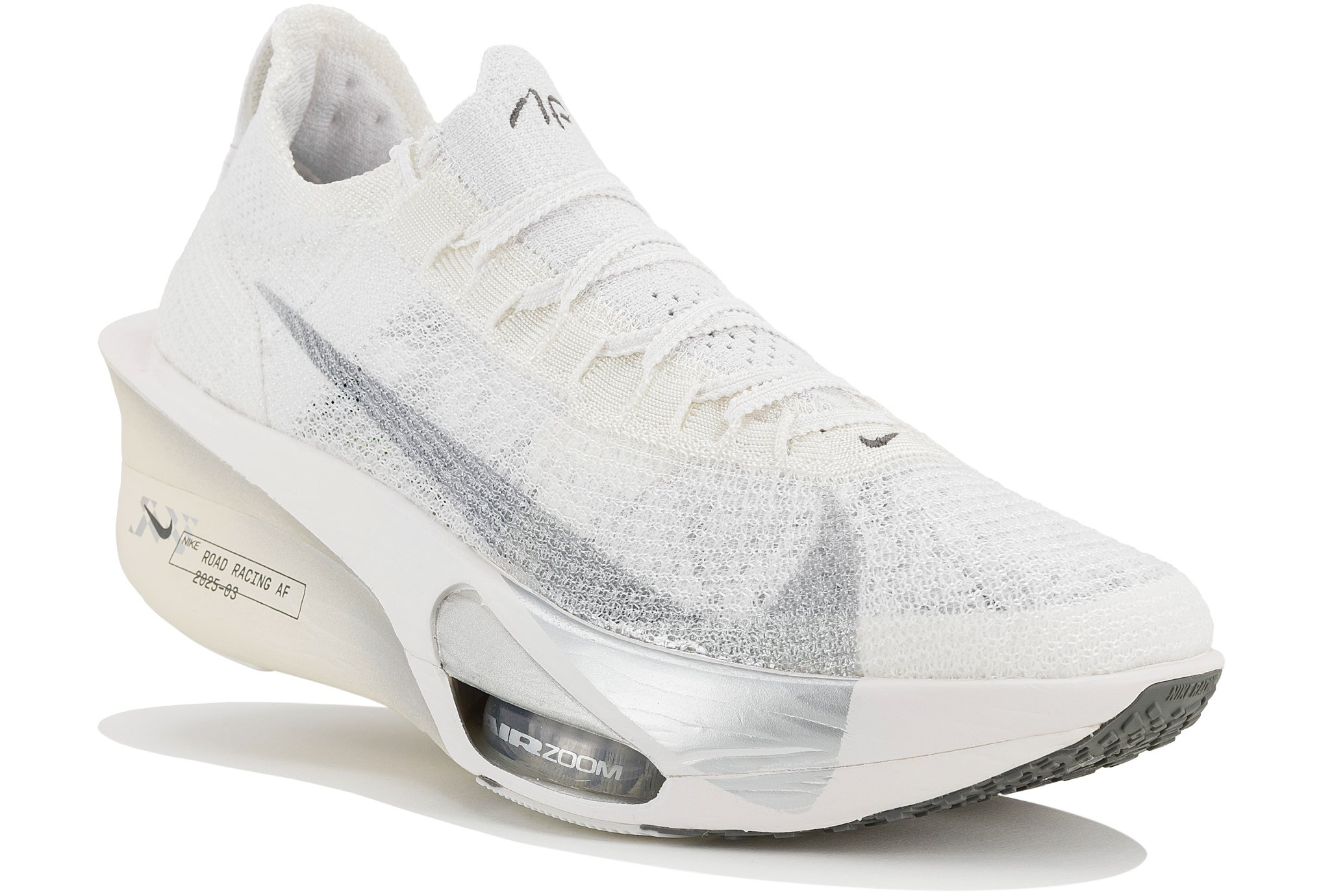
A lightweight, responsive running shoe offering consistent comfort and cushioning.
Pros
- Lightweight design
- Breathable mesh
- Good cushioning
Cons
- Limited arch support for flat feet
Adidas Ultraboost 22
adidas

Featuring revolutionary cushioning and energy return, ideal for long distances.
Pros
- Exceptional cushioning
- Stylish design
- Durable
Cons
- Slightly bulkier than some models
Asics Gel-Kayano 29
Asics
Designed for stability and support, especially for overpronators.
Pros
- Excellent stability
- Cushioning for impact protection
Cons
- Heavier than minimalist shoes
4Comparison Table
| Feature | Nike Air Zoom Pegasus 40 | Adidas Ultraboost 22 | Asics Gel-Kayano 29 |
|---|---|---|---|
| Cushioning | High | Very High | High |
| Support | Moderate | Moderate | High |
| Weight | Lightweight | Moderate | Moderate |
| Durability | High | Very High | High |
| Price Range | £90-£120 | £130-£160 | £110-£140 |
5Usage and Maintenance Guide for Athletics Shoes
To extend the life of your athletics shoes, proper usage and maintenance are critical.
- Break Them In: Start by wearing your new shoes for small sessions to let them mould to your foot shape.
- Proper Storage: Store them in a cool, dry place and avoid leaving them in damp or overly hot environments.
- Cleaning: Regularly clean them by removing dirt with a soft brush and using mild soap for spot cleaning. Avoid machine washing unless specified by the manufacturer.
- Replacement: Based on usage, replace your shoes every 300-500 miles to ensure optimal performance and support.
Taking these steps not only enhances the shoe's lifespan but also maintains their performance, providing a consistent level of support and comfort.
6Frequently Asked Questions
- How do I know when my athletics shoes need replacing?
- Are expensive athletics shoes worth the investment?
- Can I use the same shoes for multiple sports?
- How do I clean my athletics shoes properly?
Conclusion
Selecting the best athletics shoes is a personal journey, blending comfort, performance, and style. By considering your specific needs, you can enhance your athletic performance and enjoy every moment of your activity. Feel free to explore the recommended options and embark on your path to excellence.